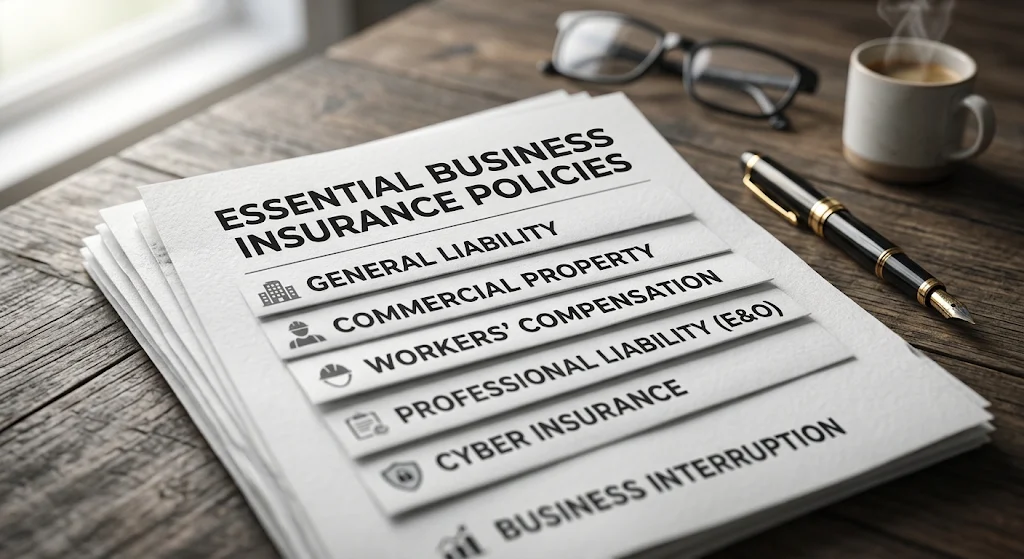
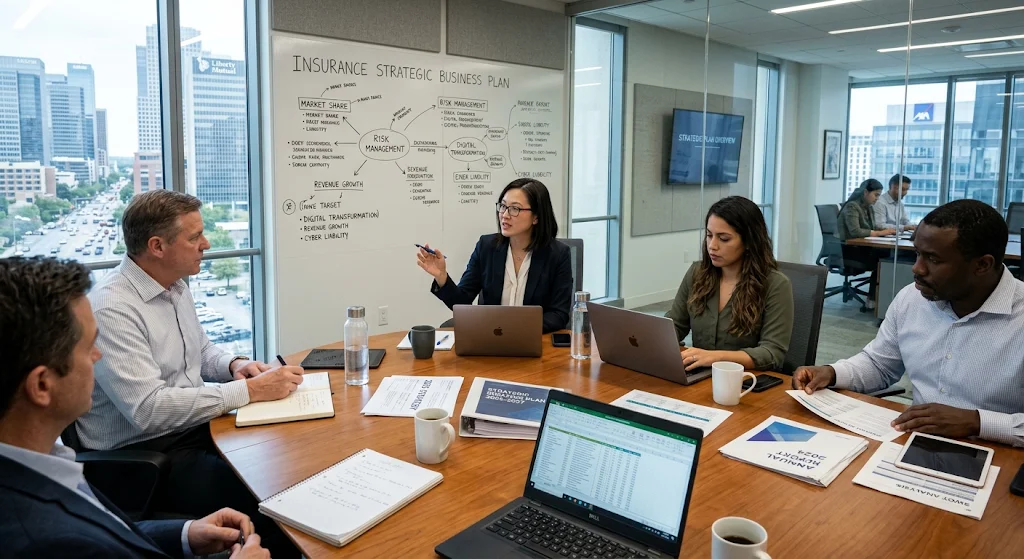
Business insurance is a fundamental component of responsible corporate management, providing financial protection against risks that could disrupt operations, damage commercial assets, or expose an organization to significant legal liabilities. Every business operates within a unique risk environment shaped by its industry, workforce, physical assets, contractual obligations, customer relationships, and operational activities. Without appropriate insurance arrangements, unexpected events such as property damage, workplace accidents, professional negligence claims, cyber incidents, and business interruptions can create substantial financial pressure. Global Insurance Company recognizes that effective commercial insurance planning requires more than purchasing individual policies; it involves identifying organizational vulnerabilities, evaluating potential losses, and selecting coverage that supports business continuity and long-term financial stability. By understanding the principal types of business insurance and their respective protection functions, companies can establish a more structured approach to managing operational uncertainty and safeguarding their commercial interests.
“A resilient business does not simply prepare to operate under normal conditions; it establishes appropriate protection against the unexpected events that could threaten its assets, employees, financial obligations, and continued operations.”
Global Insurance Company Expert
Business Risk Assessment: Identifying Essential Insurance Requirements
Effective business insurance planning begins with a detailed assessment of the risks associated with an organization's activities, assets, workforce, and contractual responsibilities. Different industries face different exposures, making it important to identify the specific circumstances that could result in financial loss or operational disruption. A manufacturing company, for example, may face equipment breakdown, product liability, and workplace safety risks, while a professional consultancy may be more exposed to negligence allegations, errors, omissions, and contractual disputes. Global Insurance Company emphasizes the importance of evaluating operational processes, property values, employee responsibilities, revenue dependencies, and applicable regulatory requirements before selecting commercial insurance policies. This assessment helps businesses distinguish between legally required insurance, contractually required coverage, and additional protection recommended for managing significant financial exposures. By establishing clear insurance priorities, organizations can develop coverage arrangements that reflect their actual risk profile rather than relying on generic policy selections.
General Liability Insurance: Protecting Businesses Against Third-Party Claims
Commercial general liability insurance is an important form of protection for businesses that interact with customers, suppliers, contractors, visitors, and members of the public. It generally addresses specified third-party claims involving bodily injury, property damage, and certain personal or advertising injuries arising from covered business activities, subject to the policy's terms and exclusions. For example, a customer who sustains an injury on commercial premises or a business that accidentally damages a third party's property may face legal expenses, compensation demands, and associated financial liabilities. Without appropriate liability protection, these claims can place considerable pressure on business finances and management resources. Global Insurance Company highlights the importance of evaluating the nature of customer interactions, premises operations, contractual obligations, and potential third-party exposures when determining suitable liability coverage. Businesses should also review policy limits, exclusions, deductibles, and any contractual insurance requirements to understand the extent of protection available.
Commercial Property Insurance: Safeguarding Business Assets
Commercial property insurance helps protect the physical assets that support an organization's daily operations and revenue generation. Business premises, offices, warehouses, manufacturing facilities, machinery, equipment, furniture, stock, and inventory may be exposed to insured events such as fire, theft, certain weather-related damage, and other specified causes of loss. Significant property damage can create financial consequences extending beyond the immediate cost of repairs or replacement, particularly when essential equipment, inventory, or operating facilities become unavailable. Commercial property coverage can help businesses manage qualifying losses in accordance with the policy's insured perils, conditions, exclusions, and coverage limits. Global Insurance Company recognizes the importance of accurate property valuations, appropriate sums insured, and a clear understanding of how replacement costs and business asset values are determined. Organizations should also examine whether their policies cover buildings, contents, stock, equipment, and other relevant property interests, as these categories may require separate consideration or specific policy extensions.
Workers' Compensation Insurance: Supporting Employee Protection
Employees are central to business operations, and workplace injuries or occupational illnesses can create significant responsibilities for employers. Workers' compensation insurance is designed to provide specified benefits for eligible employees who experience covered work-related injuries or illnesses, with the scope of protection and statutory obligations depending on the applicable jurisdiction. Depending on local legislation and policy arrangements, benefits may include medical expenses, rehabilitation support, and compensation for qualifying lost earnings or disability. In addition to protecting employees, appropriate workers' compensation arrangements can help businesses manage financial obligations arising from workplace incidents. Global Insurance Company emphasizes the importance of understanding local employment and workplace insurance requirements, maintaining appropriate safety procedures, and ensuring that employee classifications and payroll information are accurately reflected in insurance arrangements. Employers should also determine whether additional employers' liability coverage is necessary or available to address exposures not fully covered by statutory workers' compensation provisions.
Professional Indemnity Insurance: Managing Professional Liability Exposure
Businesses that provide professional advice, consultancy, design, technical services, financial services, or other specialized expertise may face claims alleging negligence, errors, omissions, or failure to meet professional obligations. Professional indemnity insurance, also commonly referred to as professional liability or errors and omissions insurance, is designed to address specified claims arising from covered professional services, subject to policy conditions and exclusions. Such allegations can result in legal defense costs, compensation demands, and reputational consequences, even when a business disputes responsibility for the alleged loss. This type of coverage is particularly relevant to organizations whose customers rely on professional recommendations, technical assessments, or specialist services when making important commercial decisions. Global Insurance Company recognizes the importance of assessing the nature of services provided, contractual responsibilities, client expectations, and potential financial consequences of professional errors. Businesses should carefully review whether their policies operate on a claims-made basis, including applicable retroactive dates, notification requirements, and any required continuity of coverage.
Business Interruption Insurance: Protecting Revenue Continuity
An unexpected disruption can affect a business's ability to generate revenue even when the underlying organization remains financially viable. Events such as fire, insured property damage, or other covered incidents may temporarily prevent access to commercial premises, interrupt production, restrict service delivery, or disrupt essential operating activities. Business interruption insurance is designed to address specified financial losses resulting from qualifying interruptions, which may include loss of insured revenue or gross profit and certain additional operating expenses, depending on the policy structure. However, coverage is not automatic for every form of disruption, and many policies require the interruption to result from insured physical damage or another specifically covered trigger. Global Insurance Company highlights the importance of evaluating revenue dependencies, fixed operating expenses, recovery timelines, indemnity periods, and the financial resources required to resume normal operations. Businesses should ensure that selected coverage reflects realistic recovery scenarios and that policy conditions, waiting periods, exclusions, and indemnity limits are clearly understood.
Commercial Vehicle Insurance: Protecting Business Transportation Assets
Organizations that use cars, vans, trucks, delivery vehicles, service vehicles, or commercial fleets face transportation-related risks that can affect both physical assets and third-party interests. Accidents, vehicle theft, property damage, and third-party injury claims can create substantial financial and operational consequences, particularly for businesses that depend on transportation to deliver products, provide services, or maintain supply chain activities. Commercial motor insurance provides protection according to the selected policy structure, which may include third-party liability, fire and theft, or comprehensive vehicle coverage. The appropriate arrangement depends on vehicle ownership, usage, driver responsibilities, fleet size, operating territories, and applicable legal requirements. Global Insurance Company emphasizes the importance of ensuring that vehicles are correctly declared for their commercial use and that policy conditions accurately reflect the organization's transportation activities. Businesses should also evaluate coverage limits, driver restrictions, geographical limitations, deductibles, and any additional protection required for goods carried or specialized commercial equipment.
Cyber Liability Insurance: Addressing Digital Business Risks
As businesses increasingly depend on digital platforms, electronic transactions, cloud services, customer databases, and interconnected information systems, cyber incidents have become an important consideration in commercial risk management. Cyberattacks, ransomware incidents, unauthorized data access, business email compromise, and certain system disruptions can result in financial losses, regulatory exposure, legal expenses, and reputational damage. Cyber liability insurance is designed to address specified financial consequences associated with covered cyber events, which may include incident response expenses, data recovery costs, legal support, notification expenses, and certain third-party liability claims, depending on the policy. Coverage varies considerably between insurers and products, and businesses should not assume that every cyber incident or technology-related loss is insured. Global Insurance Company recognizes the importance of combining appropriate cyber insurance with preventive security measures, including access controls, data backups, employee awareness, system monitoring, and incident response procedures. A coordinated approach helps organizations manage digital exposures while strengthening their overall operational resilience.
Choosing the Right Business Insurance Policies for Long-Term Protection
Selecting appropriate business insurance requires a structured evaluation of the organization's operational model, financial position, contractual obligations, and exposure to potential losses. Not every company requires every type of commercial insurance, and the appropriate combination of policies depends on the nature, size, location, and complexity of its activities. A business with substantial physical assets may prioritize commercial property insurance, while a professional services firm may place greater emphasis on professional indemnity coverage. Organizations employing staff should assess applicable workers' compensation obligations, while companies that depend on vehicles, digital systems, or uninterrupted production may require additional specialized protection. Global Insurance Company emphasizes that insurance decisions should be based on the financial severity of potential losses, legal requirements, contractual commitments, and the organization's capacity to absorb uninsured expenses. Policyholders should compare coverage scope rather than premium prices alone, paying particular attention to exclusions, sub-limits, deductibles, waiting periods, claims procedures, and renewal conditions. This approach helps businesses establish practical insurance arrangements that support their operational priorities and long-term financial objectives.
- Conduct a comprehensive business risk assessment to identify operational vulnerabilities, financial exposures, and insurance priorities.
- Consider general liability insurance to manage specified third-party bodily injury, property damage, and related liability claims.
- Protect commercial buildings, equipment, inventory, machinery, and other business assets through appropriate property coverage.
- Evaluate workers' compensation requirements and employee protection arrangements under applicable employment legislation.
- Assess professional indemnity coverage where business activities involve professional advice, consultancy, or specialized services.
- Review business interruption, commercial motor, and cyber insurance requirements to address relevant operational exposures.
- Compare policy limits, exclusions, deductibles, conditions, and contractual requirements before selecting coverage.
Global Insurance Company recognizes that effective commercial insurance is an essential consideration in protecting business assets, managing liability exposures, supporting employees, and maintaining financial continuity. The right insurance portfolio should reflect the actual risks associated with an organization's activities rather than relying on a standard combination of policies. Whether protecting commercial property, addressing third-party claims, managing professional responsibilities, or preparing for operational interruptions, businesses benefit from understanding how individual insurance products contribute to a broader risk management framework. By evaluating coverage requirements carefully, maintaining appropriate policy limits, and reviewing insurance arrangements as business conditions evolve, organizations can strengthen their financial resilience and establish a more sustainable foundation for continued operations.
Ultimately, business insurance should be treated as an ongoing risk management responsibility rather than a one-time purchasing decision. As organizations expand, acquire assets, employ additional staff, enter new markets, and adopt new technologies, their insurance requirements may change significantly. Global Insurance Company emphasizes the importance of regularly reviewing commercial insurance arrangements to identify emerging exposures, maintain appropriate coverage limits, and address changes in contractual or regulatory obligations. A carefully structured business insurance portfolio cannot eliminate every operational risk, but it can provide an important layer of financial protection against specified losses and support a more resilient approach to managing unexpected events.