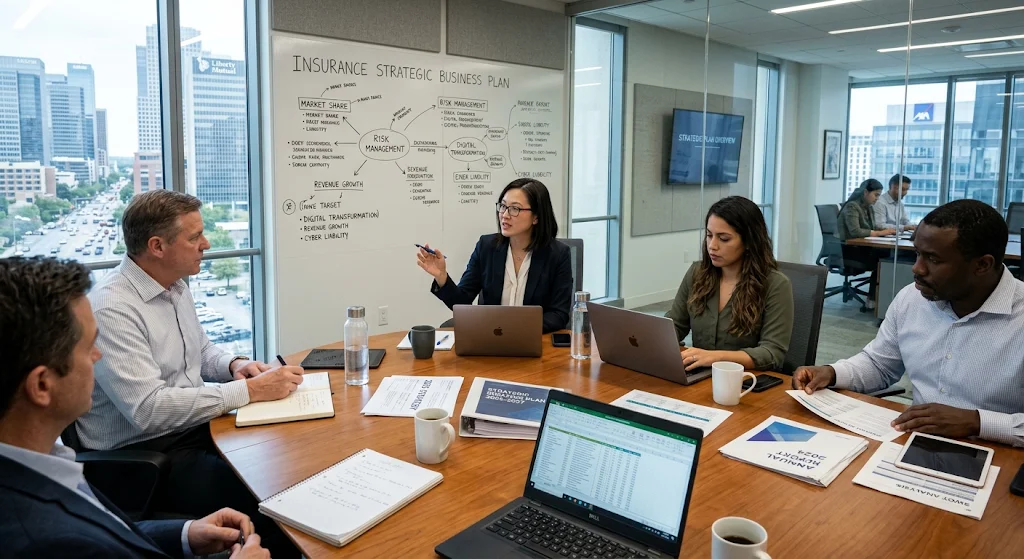
Understanding insurance coverage options is essential for protecting personal assets, business interests, and long-term financial stability. Although purchasing an insurance policy provides an important layer of financial protection, having a policy does not automatically mean that every potential loss is covered. Differences in coverage limits, exclusions, deductibles, policy conditions, and insured events can create significant protection gaps that may leave individuals and businesses financially exposed. Global Insurance Company recognizes that effective insurance management requires a clear understanding of what each policy covers, what it excludes, and whether the available benefits adequately reflect the policyholder's actual financial responsibilities. Without careful evaluation, seemingly comprehensive insurance arrangements may contain limitations that become apparent only when a claim arises. By examining coverage options systematically and identifying potential weaknesses before losses occur, policyholders can make more informed decisions and establish stronger financial protection against unexpected events.
“Having insurance is not the same as having adequate protection. True financial security begins with understanding what your policy covers, recognizing its limitations, and identifying the risks that remain uninsured.”
Global Insurance Company Expert
Understanding Insurance Coverage Options and Protection Requirements
Insurance coverage refers to the specific risks, events, assets, liabilities, and financial losses that an insurer agrees to protect under the terms of an insurance contract. Different insurance products provide different forms of protection, making it important to understand how individual policies correspond with actual financial exposures. Life insurance, health insurance, property insurance, motor insurance, liability insurance, and commercial insurance each address distinct categories of risk. Even within the same insurance category, coverage may vary considerably depending on policy wording, selected benefits, optional extensions, exclusions, and applicable conditions. Global Insurance Company emphasizes the importance of examining the purpose of each policy before making coverage decisions. Policyholders should identify the financial consequences they need to manage and determine whether the proposed insurance arrangement provides meaningful protection against those specific exposures. This process helps prevent the assumption that a general insurance policy automatically covers every related loss and establishes a clearer foundation for comprehensive financial risk management.
Insurance Coverage Limits: Avoiding Financial Exposure from Insufficient Protection
Coverage limits determine the maximum amount an insurer may pay for covered claims, subject to the policy's terms, conditions, and applicable sub-limits. Selecting insufficient coverage limits can create a substantial financial gap when the cost of a covered loss exceeds the available insurance benefit. For example, a commercial property insured below its appropriate replacement value may leave the business responsible for a significant portion of rebuilding or replacement expenses following a covered event. Similarly, inadequate liability limits may expose an organization to additional financial obligations when third-party claims exceed the amount available under its policy. Global Insurance Company highlights the importance of evaluating asset replacement costs, potential liability exposures, outstanding financial obligations, and the possible severity of insured losses when determining appropriate coverage limits. Policyholders should also distinguish between per-occurrence limits, aggregate limits, and sub-limits because each may restrict the amount payable in different circumstances. Regularly reviewing these figures helps ensure that insurance protection remains aligned with changing asset values and financial responsibilities.
Insurance Policy Exclusions and Limitations: Understanding What Is Not Covered
Policy exclusions define specific risks, circumstances, events, or categories of loss that are not covered by an insurance contract. These provisions are among the most important aspects of insurance documentation because they determine the boundaries of the protection being purchased. Depending on the insurance product, exclusions may relate to intentional acts, certain natural disasters, gradual deterioration, maintenance-related damage, unauthorized activities, pre-existing conditions, or other specified circumstances. Some risks may be excluded entirely, while others may only become eligible for protection through additional endorsements, optional extensions, or separate policies. Global Insurance Company emphasizes that policyholders should examine exclusions carefully rather than relying exclusively on promotional descriptions or general summaries of coverage. It is equally important to understand policy conditions, warranties, waiting periods, geographical restrictions, and notification requirements that may affect the availability of benefits. A thorough review of these provisions helps identify uninsured exposures and reduces the likelihood of unexpected financial consequences when a claim is submitted.
Insurance Deductibles and Excess: Understanding Your Financial Responsibility
Deductibles, commonly referred to as excess amounts in many insurance markets, represent the portion of an eligible claim that the policyholder must bear before the insurer pays the remaining covered amount. The amount selected can influence both the cost of insurance and the policyholder's financial responsibility when a loss occurs. Higher deductibles may reduce premiums in certain insurance arrangements, but they also require greater access to personal or business funds when making a claim. Conversely, lower deductibles may reduce the immediate financial burden associated with covered losses while potentially increasing insurance costs. Global Insurance Company encourages policyholders to evaluate deductibles in relation to their financial capacity, emergency reserves, asset values, and likelihood of making claims. Businesses should also examine whether deductibles apply separately to individual incidents, specific coverage sections, or particular categories of loss. Understanding these provisions before purchasing a policy helps prevent unexpected out-of-pocket expenses and supports more sustainable insurance planning.
Underinsurance and Asset Valuation: Protecting the Full Value of Insured Property
Underinsurance occurs when the amount of insurance protection available is insufficient relative to the value of the insured asset or the financial exposure being covered. This situation can arise when property values increase, construction and replacement costs rise, inventory expands, or business equipment is acquired without corresponding adjustments to insurance arrangements. In some policies, an average clause or underinsurance condition may reduce the amount payable following a partial loss when the insured value falls below the required proportion of the actual value. This can create financial consequences even when the damaged property is only partially affected. Global Insurance Company recognizes the importance of accurate asset valuation and periodic reassessment of insured property. Policyholders should consider whether buildings are insured on a reinstatement basis, whether contents and equipment values reflect current replacement costs, and whether stock valuations account for seasonal fluctuations or business growth. Maintaining appropriate insured values helps reduce the risk of inadequate claim settlements and supports more reliable financial recovery following covered property losses.
Identifying Coverage Gaps and Avoiding Unnecessary Policy Overlaps
Insurance coverage gaps arise when important financial exposures remain uninsured, insufficiently insured, or excluded from existing policy arrangements. These gaps may result from incomplete risk assessments, outdated policy information, misunderstanding of exclusions, changes in business operations, or the assumption that one policy automatically covers risks addressed by another insurance product. For example, standard property insurance may not automatically include business interruption protection, while general liability insurance may not cover professional negligence claims. Similarly, a commercial motor policy may not automatically protect goods carried in a vehicle or specialized equipment used during transportation. At the same time, purchasing multiple policies without reviewing their respective coverage provisions can create unnecessary overlaps and inefficient insurance expenditure. Global Insurance Company emphasizes the importance of examining insurance policies collectively to determine where protection is sufficient, where additional coverage may be required, and where overlapping benefits exist. A coordinated portfolio review helps establish a more efficient protection structure while reducing the possibility of significant uninsured exposures.
Personal and Business Insurance Coverage: Matching Policies to Actual Risks
Appropriate insurance coverage depends on the policyholder's individual circumstances, financial responsibilities, professional activities, and exposure to potential losses. Individuals may require protection for residential property, vehicles, healthcare expenses, life risks, personal liability, and other financial commitments. Businesses, meanwhile, may need commercial property insurance, general liability coverage, workers' compensation, professional indemnity, cyber insurance, commercial motor protection, and business interruption insurance, depending on their activities and applicable legal obligations. A policy that is suitable for one individual or organization may be inadequate for another with different assets, operations, or responsibilities. Global Insurance Company recognizes the importance of evaluating insurance requirements according to actual risk exposure rather than selecting coverage solely on the basis of price or popularity. Policyholders should consider the severity of potential losses, the financial resources available to absorb unexpected expenses, contractual obligations, and the consequences of uninsured events. Matching coverage options to these factors supports more practical insurance decisions and stronger long-term financial resilience.
Insurance Policy Reviews: Maintaining Adequate Protection Over Time
Insurance coverage should be reviewed regularly because financial circumstances, asset values, business activities, and external risk conditions change over time. Policies that were appropriate when originally purchased may become inadequate following property acquisitions, business expansion, increased inventory, additional employees, changes in income, or new contractual responsibilities. A comprehensive insurance review examines policy schedules, insured values, coverage limits, exclusions, deductibles, optional extensions, premium obligations, renewal provisions, and claims notification requirements. It should also identify changes that may require the insurer to be notified, particularly where modifications to property usage, business operations, or insured activities could affect coverage. Global Insurance Company emphasizes that regular insurance reviews help policyholders identify emerging protection gaps and determine whether existing policies continue to meet their financial requirements. Reviewing insurance arrangements before renewal and following significant personal or commercial developments supports more disciplined policy management and helps maintain appropriate protection as circumstances evolve.
Choosing Appropriate Insurance Coverage to Prevent Costly Financial Losses
Selecting suitable insurance coverage requires a structured evaluation of potential risks, financial exposure, available policy options, and the limitations associated with each insurance contract. Policyholders should begin by identifying the assets, liabilities, income sources, business activities, and personal responsibilities that require protection. The next step involves comparing available policies according to their coverage scope, insured events, limits, exclusions, deductibles, waiting periods, and claims conditions. It is also important to determine whether additional endorsements or specialized policies are necessary to address exposures that standard coverage does not include. Global Insurance Company emphasizes that insurance decisions should not be based exclusively on the lowest available premium because lower-cost arrangements may involve higher deductibles, narrower coverage, or significant exclusions. A well-structured insurance strategy balances affordability with the financial consequences of potential losses and the policyholder's ability to absorb uninsured expenses. By evaluating coverage details carefully and obtaining clarification on uncertain provisions, individuals and businesses can make more informed decisions and reduce the risk of costly insurance gaps.
- Assess personal and business risks to identify financial exposures that require insurance protection.
- Review policy coverage limits and ensure that insured values reflect appropriate asset replacement costs and liability exposures.
- Examine exclusions, limitations, waiting periods, and policy conditions to understand circumstances that may restrict coverage.
- Evaluate deductibles and excess amounts against available financial resources and potential out-of-pocket expenses.
- Identify underinsured assets, outdated valuations, and financial exposures that may require additional protection.
- Review existing policies collectively to identify coverage gaps, unnecessary overlaps, and opportunities to improve insurance efficiency.
- Reassess insurance arrangements regularly following significant personal, financial, or business changes.
Global Insurance Company recognizes that avoiding costly insurance gaps requires more than simply maintaining multiple insurance policies. Effective protection depends on understanding policy wording, evaluating financial exposures, maintaining appropriate coverage limits, and identifying circumstances that may fall outside existing insurance arrangements. Whether reviewing personal insurance, protecting commercial property, managing liability risks, or strengthening business continuity, policyholders benefit from a comprehensive understanding of the protection they have purchased and the risks that remain uninsured. By combining accurate risk assessment with careful policy evaluation and regular coverage reviews, individuals and organizations can establish a more reliable insurance framework that supports financial stability and protects their long-term interests.
Ultimately, understanding insurance coverage options is an ongoing responsibility that requires attention as financial circumstances, property values, personal obligations, and business operations change. An insurance policy should be evaluated according to the actual protection it provides rather than the assumption that having coverage automatically eliminates financial exposure. Global Insurance Company emphasizes a proactive approach to insurance management, encouraging individuals and businesses to examine policy limitations, review insured values, and address potential protection gaps before unexpected events occur. A carefully evaluated insurance portfolio can provide an important layer of financial protection, helping policyholders manage specified risks, reduce avoidable uninsured losses, and maintain greater confidence in their long-term financial security.